


How Food Photography ROI Drives Restaurant Sales
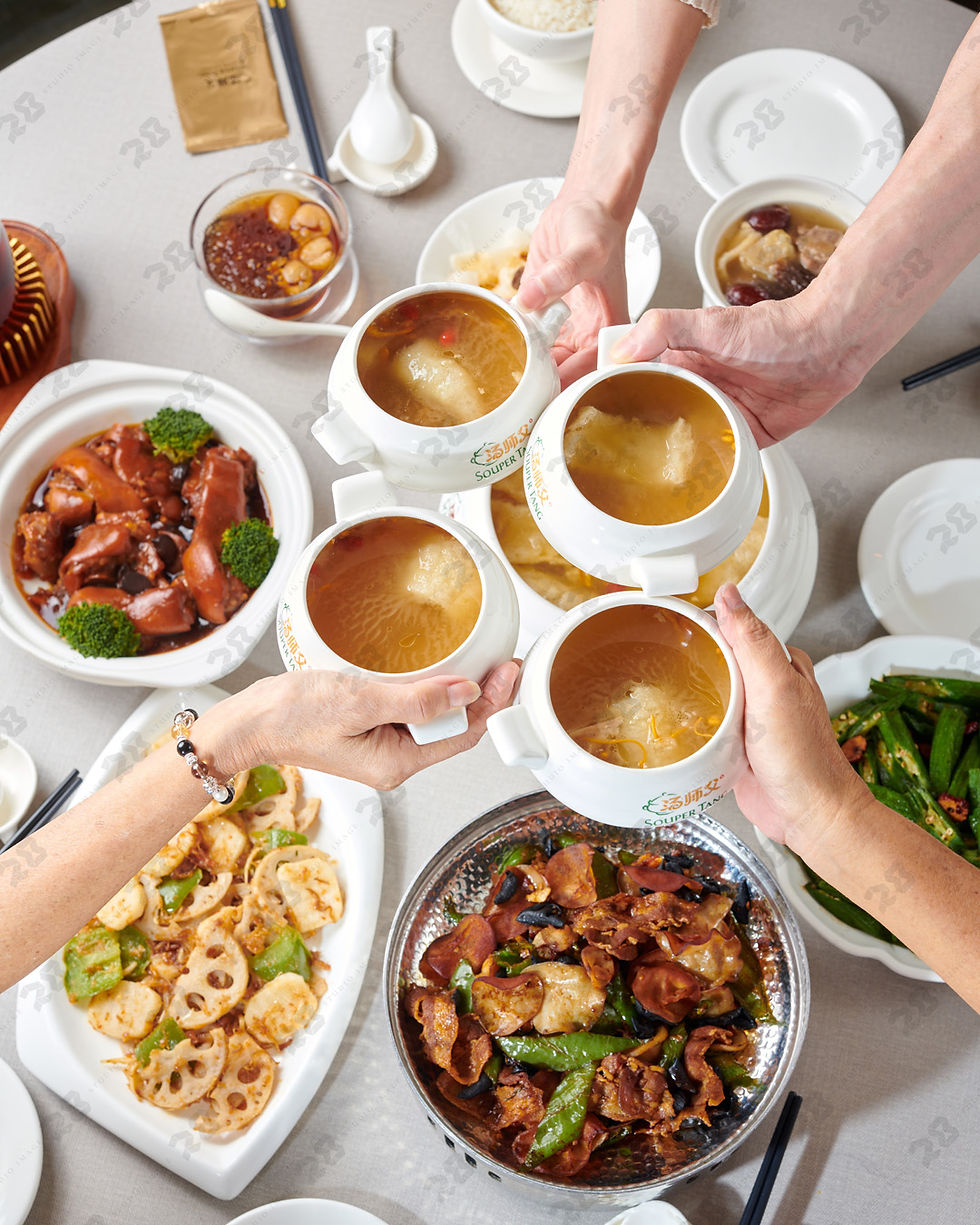
A new dish can be excellent in the kitchen and still underperform on the menu, delivery platform, or social feed. Customers make an immediate judgment from what they see before they read the description or consider the price. That is where food photography ROI becomes a commercial question, not simply a creative one.
For restaurants, cafes, F&B chains, hotels, and packaged food brands, professional food images can influence what customers order, how much they spend, and whether they trust the brand enough to return. The return is not limited to one campaign. Well-planned images become working marketing assets across menus, websites, ordering platforms, paid advertising, social media, press materials, and in-store displays.
What Food Photography ROI Actually Means
Food photography ROI is the measurable business value generated by the investment in professional food images. Put simply, it asks whether the photography helps create more revenue, reduce marketing waste, or strengthen the brand in a way that supports future sales.
The most direct calculation is straightforward:
ROI = (financial gain from the photography - photography investment) / photography investment x 100
In practice, the financial gain is not always isolated to a single image. A refreshed menu may improve sales across several dishes. Better product images may increase conversion on an online ordering page while reducing customer uncertainty. A consistent image library can also lower the cost and time required to produce future campaigns.
This is why photography should not be assessed only by likes or visual appeal. Those indicators can be useful, but the better questions are: Did more customers order the featured item? Did the average check increase? Did the website or ordering page convert more visitors? Did the brand look credible enough to support its price point?
The Sales Levers Behind Strong Food Images
Professional food photography works because food is a visual purchase. Customers cannot smell or taste a dish through a screen or printed menu. The image has to communicate freshness, portion value, texture, ingredients, and desirability within seconds.
Better images can guide higher-value orders
A clear, appetizing image gives customers confidence when choosing an unfamiliar item. This is especially valuable for signature dishes, premium add-ons, seasonal offers, desserts, beverages, and meal bundles. When a dish is presented with the right styling, lighting, angle, and composition, it becomes easier for customers to understand what makes it worth ordering.
The objective is not to make every item look artificially elaborate. A casual cafe, premium hotel restaurant, quick-service concept, and packaged snack brand need different visual treatments. The photography should reflect the actual product and the position the business wants to hold in the market.
Stronger visuals reduce hesitation online
On a website, delivery app, or e-commerce page, customers have many alternatives one swipe away. Poor lighting, inconsistent colors, or unclear portion presentation can create doubt. Professional images reduce that friction by showing the product accurately and attractively.
For food manufacturers and e-commerce brands, this matters even more. A product listing may need a clean pack shot, a styled serving image, ingredient details, and usage ideas. Each image answers a different buying question. One attractive hero image alone may not provide enough information to move a customer from interest to purchase.
Consistency improves perceived brand quality
Customers notice when a menu combines polished images, dim phone photos, and unrelated visual styles. Even if the food itself is good, inconsistency can make a business appear less established or less careful.
A planned photography shoot creates a consistent visual system: similar color treatment, styling standards, backgrounds, plating direction, and crop options. This is particularly important for F&B chains, hotel groups, and growing brands that need their marketing to look coordinated across multiple outlets and platforms.
Where the Return Is Easiest to Measure
Some results are easier to track than others. The best measurement approach depends on where the images are used and what the business is trying to improve.
For menu photography, compare unit sales and revenue for featured dishes before and after the new menu is introduced. Allow enough time for the results to stabilize, and account for price changes, promotions, seasonality, and stock availability. If possible, test a focused set of priority dishes rather than changing every variable at once.
For websites and online ordering, track product-page conversion rates, add-to-cart rates, order value, and time spent on featured pages. If a refreshed visual set is launched alongside a redesigned website or major promotion, the results should be interpreted carefully. Photography may be one contributor rather than the only reason for the change.
For paid campaigns, assess cost per purchase, return on ad spend, click-through rate, and landing-page conversion. The image is often the first element that earns attention, but the offer, targeting, price, and ordering experience also affect performance. Better photography cannot compensate for a confusing checkout process or a weak promotion.
For social media, look beyond follower growth. Monitor saves, shares, profile visits, direct inquiries, website visits, and offer redemptions. A high-performing food post is useful when it supports a business action, not merely when it collects reactions.
How to Plan a Shoot for Higher Food Photography ROI
The return on a photography project is often decided before the first dish is plated. A shoot without a commercial plan can produce attractive images that are difficult to use. A well-prepared shoot produces a versatile asset library designed around actual marketing needs.
Start by identifying the items that matter most. These may be bestsellers, high-margin dishes, new launches, delivery-friendly products, premium offerings, or items that customers frequently overlook. Prioritize based on commercial value rather than trying to photograph every menu item at the same level on the first day.
Next, define the required image formats. A horizontal website banner, a vertical social story, a square delivery-app thumbnail, and a printed menu image require different framing. Planning these crops during the shoot is more efficient than forcing one composition into every channel later.
It also helps to decide what each image must communicate. A hero image should create appetite and brand impact. A menu image should make the dish easy to understand. A product image may need to show packaging, size, texture, or serving suggestion. This direction informs food styling, prop selection, lighting, and composition.
Before production, confirm recipe consistency, plating standards, packaging condition, garnish availability, and the person responsible for approving food presentation. A beautifully lit image cannot fix an inconsistent portion or a product that does not match what customers receive. Accuracy protects customer trust and avoids disappointment after purchase.
The Cost of Treating Images as an Afterthought
Low-cost or rushed photography can appear economical at first, but it often creates hidden costs. Images may need to be reshot when the menu changes, campaigns may rely on generic visuals, and marketing teams may spend more time trying to make unsuitable files work across channels.
There is also an opportunity cost. If a new menu launch, hotel dining promotion, or retail product release receives weak visual support, the business may miss the period when customer attention is highest. Professional production is most effective when it is treated as part of the launch plan, not as a final item on the checklist.
That said, the largest production is not always the best choice. A small cafe with a focused menu may achieve meaningful results from a carefully selected set of core images. A national brand with regular campaigns may need a larger library and ongoing production schedule. The right investment depends on the number of channels, frequency of promotions, size of the menu, and expected lifespan of the content.
A Practical Way to Evaluate the Investment
Set a baseline before introducing the new images. Record sales for target dishes, online conversion rates, campaign performance, and average order value where relevant. Then establish a review period, often four to twelve weeks depending on traffic volume and campaign activity.
Use the results to identify what worked. Perhaps the imagery increased orders for premium beverages but had little effect on familiar staple items. Perhaps product pages improved, but social content needs stronger offers or clearer calls to action. The goal is not to prove that every image produces the same return. It is to make better visual investment decisions over time.
Experienced commercial photography also creates value through production efficiency. When a shot list, visual direction, and approval process are clear, the final files can serve multiple teams and campaigns. Image 28 Studio approaches food photography as usable commercial content, built to support menus, digital marketing, advertising, and brand presentation.
The next time a menu, delivery listing, or product page is due for an update, start with the sales objective. Choose the dishes or products that deserve attention, decide where the images need to work, and measure what changes after launch. That is how food photography becomes an asset with a return, not just a cost.


Comments