


Commercial Food Photography Guide for Brands
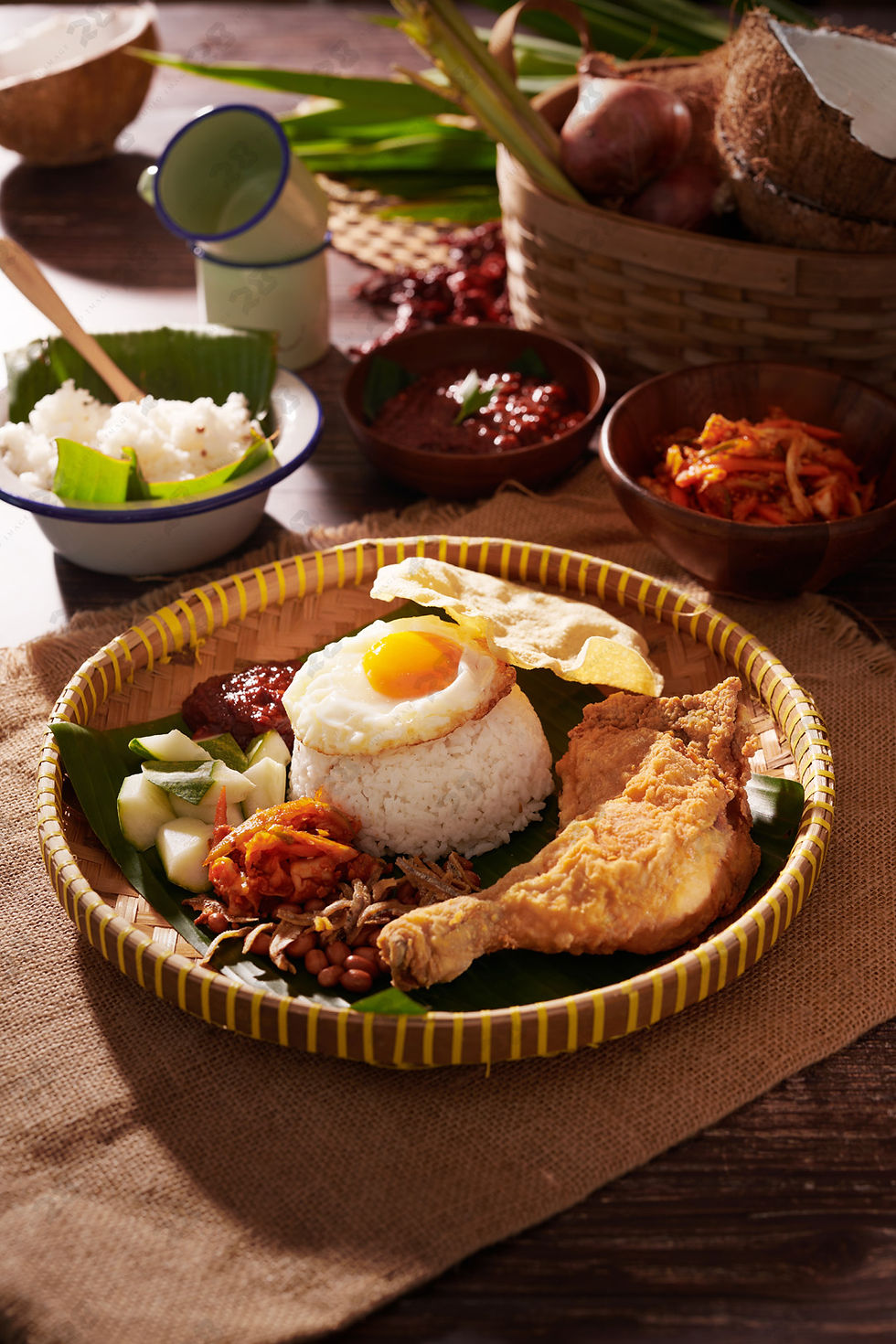
A customer decides faster than most brands expect. Before they read your menu description, compare ingredients, or check reviews, they look at the image. That is why a strong commercial food photography guide matters - not as a creative extra, but as a sales tool that shapes appetite, trust, and purchase intent.
For restaurants, cafes, packaged food brands, hotels, and delivery-focused businesses, food photography has a direct commercial job to do. It needs to make the product look accurate, appealing, and consistent across every channel where customers encounter it. If the image is beautiful but does not match the actual product, it creates disappointment. If it is technically correct but unappetizing, it does not convert. The standard is simple: the photo must help sell.
What commercial food photography needs to achieve
Commercial food photography is different from casual content or purely editorial styling. The objective is not just to create an attractive image. The objective is to support a business outcome. That may mean increasing menu orders, improving e-commerce conversion, strengthening ad performance, or making a brand look more credible in a crowded category.
That requirement changes how a shoot should be planned. The food must look fresh, but it also needs to represent the product honestly. The lighting should create appetite, but it also has to suit the platform. A hero image for a billboard, a delivery app thumbnail, a printed menu, and an e-commerce listing may all need different framing, cropping, and visual priorities.
This is where many businesses lose value. They commission one set of photos and expect it to work everywhere. Sometimes that works. Often it does not. A wider campaign needs images designed for specific commercial uses, not just general beauty shots.
A commercial food photography guide starts with business goals
Before the camera comes out, the brief needs to be clear. What exactly should the images do for the business?
A restaurant launching a new menu may need clean, high-impact hero shots that make signature dishes look consistent across printed menus, social media, and food delivery platforms. A packaged food manufacturer may need tighter product-food combinations that show texture, ingredients, and packaging clearly for retail and e-commerce. A hotel may need lifestyle-oriented dining imagery that sells atmosphere as much as the food itself.
The visual approach depends on the sales context. A fast-moving consumer product often benefits from clearer composition and stronger label visibility. A premium dining brand may need mood, plating detail, and more controlled negative space for campaign layouts. Neither approach is automatically better. It depends on what the customer needs to understand at a glance.
Pre-production is where results are won
Strong food photography is rarely improvised. The businesses that get the best outcomes usually invest time in pre-production because it reduces waste and helps the shoot stay aligned with marketing needs.
The first step is defining the shot list. That includes hero dishes, supporting items, ingredients, beverages, packaging, and any detail shots required for website banners, menu inserts, social media ads, or seasonal promotions. Without a shot list, teams tend to overshoot the obvious items and miss the commercially useful angles.
Next comes styling and plating direction. Food prepared for service is not always food prepared for photography. Some dishes need slight adjustments to hold their shape under lights. Others need ingredient placement refined so the product reads clearly on camera. This does not mean making the food unrealistic. It means making sure the product is visually legible.
Backgrounds, props, and surfaces also need discipline. If every element in the frame competes for attention, the product loses impact. In commercial work, supporting elements should reinforce the brand position. A premium concept may call for cleaner styling and more restrained props. A casual dining brand may benefit from warmth, texture, and a more approachable table setting.
Lighting decides whether food looks fresh or flat
Lighting has one job in food photography: make the food look desirable. That sounds obvious, but the wrong lighting setup can make a glossy sauce look greasy, turn fresh greens dull, or remove texture from bread, meat, and desserts.
Soft directional light often works well because it reveals shape and texture without making the image harsh. But there is no universal setup. A shiny beverage, a bowl of noodles, and a grilled protein all react differently to light. Some foods need more contrast to look rich and dimensional. Others need gentler handling to preserve color and freshness.
This is also where experience matters. Ice cream melts. Steam disappears. Fried items lose crispness. Fresh herbs wilt. Timing, set readiness, and styling coordination all affect whether the final image feels expensive or ordinary.
Composition should support selling, not just aesthetics
Good composition in commercial food photography is not about making the frame look artistic for its own sake. It is about guiding attention quickly. The viewer should immediately understand what the product is, what makes it appealing, and what action the brand wants next.
For menus and delivery apps, clarity usually matters more than visual complexity. The dish needs to read instantly, even on a small screen. For advertising campaigns, there may be more room for atmosphere, copy placement, and storytelling. For social content, the crop must still work when platforms change dimensions.
A common mistake is creating one perfect landscape image and assuming it can be repurposed endlessly. In reality, vertical, square, and horizontal formats often need to be captured intentionally. Cropping later can solve some problems, but not all. If text needs to sit on the left side of a banner, that space should be planned during the shoot.
Food styling affects credibility as much as appetite
Food styling is not decoration. It is product presentation.
A burger that looks overbuilt may be eye-catching, but if it no longer resembles what the customer will receive, it can damage trust. A bowl with too many garnish elements may look premium in isolation, yet confuse the customer about the actual product. Commercial photography works best when the food looks like the best version of the real offering.
That balance matters even more for chains, franchises, and manufacturers. They need consistency across multiple items, campaigns, and markets. If one product line is shot with dark moody lighting and another with bright clinical lighting, the brand starts to feel fragmented. Consistency helps customers recognize the brand faster and gives marketing teams more flexible assets to use across channels.
The commercial food photography guide most brands need for usage planning
Image usage should be discussed before the shoot, not after delivery. This is one of the most practical points in any commercial food photography guide because it affects framing, retouching, file preparation, and production efficiency.
If the images will be used for print, resolution and color control matter more. If they are primarily for e-commerce, cutout options, consistent angles, and clean backgrounds may be more useful. If the brand needs social media content over several months, it helps to capture a mix of hero shots, close-ups, ingredient details, and lifestyle scenes during one production day.
This approach usually delivers better value than commissioning disconnected shoots for every campaign. It also creates a more consistent visual library, which is useful for internal marketing teams, agency partners, and regional brand managers.
What businesses should prepare before hiring a food photographer
The best working relationships start with a practical brief. Businesses do not need to know every technical term, but they should be clear on a few essentials: what products need to be photographed, where the images will be used, what brand style should be reflected, and what timeline the campaign requires.
It also helps to confirm whether the shoot includes concept development, styling, prop sourcing, retouching, and file output in multiple formats. Some projects are straightforward tabletop shoots. Others are larger productions involving art direction, set building, or coordinated content for both stills and video.
For growing brands, this is where an experienced studio can make a measurable difference. A team that understands both production and commercial usage can prevent expensive mistakes, especially when the content will be used across menus, websites, ads, packaging, and regional marketing materials. Studios such as Image 28 Studio typically approach this work with that wider commercial lens, which matters more than simply producing attractive pictures.
How to judge whether your food photos are working
The real test is not whether the team likes the images on shoot day. The real test is whether the images perform.
Are customers responding better to key menu items? Are social ads earning stronger click-through rates? Are product pages holding attention longer? Are sales teams and franchise partners using the assets confidently because they look polished and consistent? These are commercial indicators, and they matter more than personal taste.
There is also a brand perception layer that should not be underestimated. Professional food imagery signals quality, operational standards, and credibility. Weak imagery suggests the opposite, even when the actual product is good. In competitive food categories, that perception gap can be costly.
The smartest approach is to treat food photography as a business asset, not a one-time creative purchase. When the visuals are planned well, styled accurately, and produced with clear usage in mind, they continue working long after the shoot is over.
The next time you review your menu, product page, campaign artwork, or delivery listings, ask a simple question: do your images make the product easier to choose? If the answer is uncertain, that is usually where better photography starts.


Comments